HP's New OmniBook 5 14 Delivers Premium Feel at Budget Price
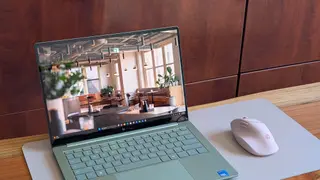
The HP OmniBook 5 14 Wildcat offers a sleek, lightweight design with an OLED touchscreen and 16 GB of RAM for just $700, rivaling higher-end models like the MacBook Neo and Dell XPS. While its Intel Wildcat CPU excels in everyday tasks, it struggles with demanding workloads like gaming or intensive graphics editing. The base display is dimmer and slower than competitors', but upgrading to 1800p OLED improves performance significantly.
HP launched the OmniBook 5 14 Wildcat in November 2026, positioning it as a budget-friendly alternative to premium laptops like the MacBook Neo and Dell XPS 13 Wildcat. Priced at $700–$800 depending on configuration, the model features a 14-inch OLED touchscreen with 1920 x 1200 resolution, 16 GB of soldered LPDDR5-6400 RAM, and an Intel Core 5 320 Wildcat Lake CPU. It weighs just 1.178 kg (2.6 pounds), making it lighter than the 12-inch MacBook Neo, and includes a full suite of connectivity options including HDMI, DisplayPort, and USB-C with Power Delivery. The device’s standout feature is its premium build quality—crafted from recycled metal—and long battery life, despite being priced below $1,000. However, performance is limited by the Intel Wildcat CPU, which excels in everyday tasks but struggles with gaming or intensive graphics workloads. The base 1200p OLED display lacks HDR and operates at only 60 Hz, though upgrading to an 1800p version for $120 significantly improves brightness and responsiveness.
This release follows a broader industry trend where manufacturers are pushing high-end aesthetics and features into lower price brackets. HP’s strategy appears aimed at capturing users who value design and portability without paying premium prices. The company, along with Dell and Apple, is competing in the sub-$1,000 ultraportable segment, where consumer expectations have risen due to earlier innovations like the MacBook Neo. While HP’s focus on sustainability (recycl
The HP OmniBook 5 14 Wildcat could reshape expectations in the budget laptop market by proving that premium design and materials are no longer exclusive to high-priced devices. Students, remote workers, and casual users may benefit from a more attractive, durable option without sacrificing core functionality like RAM or display quality. The emphasis on recycled materials also aligns with growing environmental concerns, potentially influencing purchasing decisions among eco-conscious consumers. However, the device’s performance ceiling may limit its appeal to creators or gamers, who could instead turn to higher-tier models or cloud-based solutions. This mirrors the early adoption curve of Chromebooks in education—initially seen as underpowered but gradually gaining acceptance due to simplicity and cost-effectiveness. The broader impact may be a shift toward more sustainable manufacturing practices across the industry, especially if HP’s approach gains traction. What remains uncertain is