Elder Scrolls 6 Fans Urge Bethesda to Revisit Forgotten Lore in Hammerfell
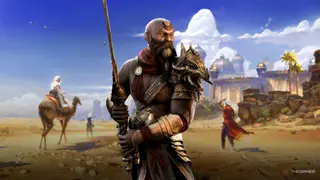
Fans are calling on Bethesda to incorporate the anti-magic zone from Daggerfall’s lore into The Elder Scrolls 6: Sentinel, which is set in Hammerfell. This mysterious phenomenon, known as the Warp in the West, created a region where magic was nullified and could offer rich narrative and gameplay opportunities. The community argues that ignoring this established element would be a missed chance to deepen the game's worldbuilding.
In November 2026, Bethesda Softworks confirmed that The Elder Scrolls 6 will be titled *Sentinel* and set in the region of Hammerfell, reigniting long-standing fan interest in the franchise’s deeper lore. Central to this renewed discussion is the “Warp in the West,” a reality-altering event from *The Elder Scrolls II: Daggerfall* that created an anti-magic zone in Iliac Bay—specifically tied to the final resting place of the Underking after he siphoned energy from the Mantella. This phenomenon, which nullified magic across several miles, remains unexplained in official lore, with no definitive statement on its duration or current state. Fans on platforms like Reddit’s r/teslore have urged Bethesda to incorporate this element into *Sentinel*, arguing that it offers unique narrative and gameplay potential—particularly for players who favor magical builds, forcing them to adapt creatively in a region where magic is suppressed. The idea gains weight because Bethesda previously acknowledged the Warp in the West’s consequences in *Oblivion*, where two versions of Mannimarco (a mortal and a god) coexist due to conflicting endings from *Daggerfall*. This precedent suggests that the studio has a history of honoring divergent lore outcomes, making the omission of the anti-magic zone seem like a missed opportunity. However, it remains unclear whether the field still exists, where it is located (if at all), or if it was temporary—factors that could render the entire discussion moot.
The fan-driven push to revive the Warp in the West reflects broader cultural trends in gaming where community knowledge and nostalgia shape expectations for sequels. This case mirrors earlier moments like the fan-led revival of *Fallout 3*’s Pip-Boy design or the demand for *Mass Effect*’s canonical continuity in *Andromeda*, where player communities influence narrative decisions through sustained engagement. If Bethesda chooses to include the anti-magic zone, it could deepen immersion and reward long-time players with a sense of continuity, potentially boosting player retention and positive word-of-mouth. Conversely, ignoring it may be perceived as dismissive of lore enthusiasts, possibly affecting the game’s reception among core fans. The gaming industry may take note: integrating obscure but meaningful lore can strengthen brand loyalty, especially in long-running franchises. What remains uncertain is whether Bethesda will prioritize narrative consistency over design simplicity, or i