Complete Guide to All Ragefire Chasm Quests in WoW Forever
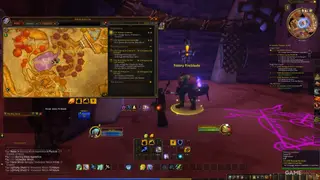
A comprehensive walkthrough details all six quests tied to the Ragefire Chasm dungeon in World of Warcraft: Forever, spread across multiple locations including Orgrimmar and Thunder Bluff. These quests are exclusive to Horde players and require group coordination since there is no automated matchmaking system. Completing them offers valuable rewards for progression.
In *World of Warcraft: Forever*, released on November 4, 2026, players encounter a revived version of the classic Ragefire Chasm dungeon, now tied to a series of six exclusive quests for Horde faction members. These quests are distributed across multiple zones—Orgrimmar, Thunder Bluff, Undercity, and within the dungeon itself—and require active coordination since there is no automated group finder. The primary questline, “Hidden Enemies,” begins with Thrall in Orgrimmar and involves three parts: retrieving a Lieutenant's Insignia from Skull Rock, progressing through dialogue with Neeru Fireblade at the Cleft of Shadows, and defeating bosses Jergosh the Invoker and Bazzalan inside the dungeon. Other quests include slaying Taragaman the Hungerer for his heart, collecting rare spell components from Searing Blade Cultists in deeper zones, and completing a trio of tasks with Rahauro in Thunder Bluff involving troggs, shamans, and a lost satchel near the Oggleflint boss. These quests are not only mechanically distinct but also serve as narrative and progression tools, offering valuable rewards that aid character development.
The design reflects Blizzard’s broader strategy in *Forever* to emphasize player-driven social interaction over automated systems, echoing earlier iterations of World of Warcraft’s community-centric ethos. This approach may stem from feedback on previous expansions where matchmaking reduced emergent gameplay. The quests are tied to iconic figures like Thrall a
The reintroduction of complex, location-spread questlines like those in Ragefire Chasm could influence how players perceive social engagement in modern MMORPGs. As games increasingly rely on automated systems to reduce friction, *World of Warcraft: Forever*’s deliberate return to manual coordination may encourage a reevaluation of player agency and community building. This shift could benefit veteran players seeking deeper immersion but may challenge newcomers accustomed to streamlined experiences. The broader impact might ripple into game design trends, with other developers reconsidering the balance between convenience and social depth. A comparable precedent is the original *World of Warcraft*’s early years, where informal guilds and word-of-mouth coordination were central. If this model proves sustainable, it may inspire a niche resurgence in “anti-matchmaking” gameplay. However, whether this approach will scale across larger player bases or remain limited to dedicated communities