Spec and Use-Case Comparison: Meta VR Glasses vs Quest 3 vs Steam Frame
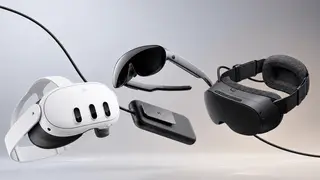
This comparison weighs Valve's Steam Frame, Meta's Quest 3, and the upcoming Meta VR Glasses across specs and intended uses. It frames Steam Frame as a choice for power users and tinkerers, Quest 3 as the budget-friendly option with a large game library, and VR Glasses as a productivity-focused device for private monitors, personal theaters, and Quest games. Pricing and feature differences are also discussed, including Steam Frame's higher starting cost.
Valve’s Steam Frame starts at $1,059, about $460 more than Quest 3’s $600 price. It blends standalone use with PC streaming, but demanding standalone titles may struggle; Valve’s certification program helps identify compatible VR and flat games. Its bootloader is more open than many rivals, though setup is less console-like. It lacks color passthrough, with an optional Arcturus upgrade.
Quest 3 arrived in October 2023 and built on Quest Pro’s mixed-reality shortcomings. It supports larger games and MR modes, including Asgard’s Wrath 2 and Arizona Sunshine 2, plus upgrades to older titles. Meta has not announced Quest 4 timing. The upcoming Meta VR Glasses target productivity, virtual monitors, personal cinema, and Quest games.
The widening choice among Steam Frame, Quest 3, and Meta VR Glasses could affect gamers, developers, and remote workers differently. Power users may gain flexibility but face compatibility checks; budget buyers may stay with Quest’s large library; productivity users may see more private-display and cinema-style options. If these devices gain traction, developers could prioritize cross-platform support, while workplaces and homes may gradually treat headsets as everyday computing and entertainment tools. Pricing gaps may also shape which audiences adopt first.