First Impressions of Attack on Titan 3: A Reimagined Journey Through a Beloved Story
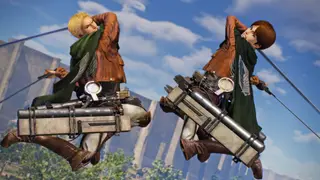
An extended hands-on preview of Attack on Titan 3 reveals a refined combat system and immersive storytelling that honors the original series while introducing new gameplay mechanics. The game’s pacing and visual presentation are praised for enhancing emotional impact during key narrative moments. Players can expect deeper character interactions and expanded world-building.
Attack on Titan 3, set for release in late 2026, offers a reimagined narrative experience that spans the full arc of Hajime Isayama’s original anime series, from the Struggle for Trost to the story’s conclusion—marking the third consecutive game to cover the first season, now expanded with deeper integration of later plotlines. Players assume control of a custom character from an earlier generation than Eren’s, specifically one that predates the 104th Cadet Corps and shares formative trauma with iconic figures like Levi Ackerman and Zoë Hange. The game’s core gameplay centers on dynamic titan combat, where players must target specific body parts to stagger larger titans before striking their nape—a mechanic refined from earlier entries but now more complex due to layered attacks and environmental hazards. A notable mission involves escorting Eren in his titan form while protecting him from encroaching titans, forcing moral choices such as saving comrades or prioritizing the mission’s objective. Between missions, players engage in strategic downtime activities including equipment upgrades, land reclamation planning, and social interactions resembling those in Fire Emblem: Three Houses, a feature attributed to Koei Tecmo’s design expertise. The game’s director, Hayato Iwata, confirmed this integration of tactical role-playing elements, suggesting a fusion of action and narrative depth not seen in prior installments. What remains unresolved is how these choices will affect long-
The release of Attack on Titan 3 could significantly influence how fans engage with serialized narratives across media, particularly in bridging anime fandom with interactive storytelling. By allowing players to step into a pre-established world with meaningful agency—albeit within a tightly scripted arc—the game may appeal to long-time fans seeking deeper immersion without disrupting canonical events. This approach mirrors the success of games like *The Last of Us Part II*, where emotional investment is heightened through player choice, though AOT 3’s focus on narrative fidelity may limit branching paths. The integration of Fire Emblem-style social mechanics could signal a broader trend toward hybridizing genres in licensed games, potentially affecting how studios develop adaptations from other popular franchises. If successful, this model may encourage more developers to blend tactical RPG elements with high-stakes action in story-driven titles. However, it remains uncertain whether