Bolt Graphics Achieves Milestone with First Functional Zeus GPU Test Chip
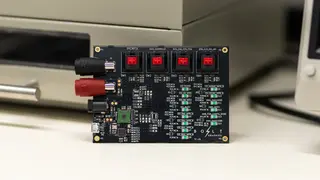
Bolt Graphics has successfully powered on the first silicon for its Zeus GPU, a simulation-focused chip built using RISC-V architecture and dedicated hardware for electromagnetic modeling. The 12nm test chip, fabricated by TSMC, consumes only 1.4 watts and outperformed internal benchmarks. The full Zeus GPU is expected to launch in 2028 with up to 384GB of memory and claims of 10x faster rendering than current high-end GPUs.
Bolt Graphics successfully powered on its first Zeus GPU test chip in October 2026, marking a critical milestone in the development of a simulation-focused graphics processor built using RISC-V architecture. The 12nm silicon, fabricated by TSMC and measuring just 6mm², consumed only 1.4 watts—dramatically less than the 35 watts drawn by the FPGA prototype it replaced. This test chip features dedicated hardware for electromagnetic modeling, a key function in designing radar systems, lenses, and other precision components. The company confirmed the chip ran without issues and outperformed internal benchmarks, though no specific performance metrics were released. Bolt’s full Zeus GPU, expected to launch in 2028, will be built on TSMC’s older N5P process node—chosen to avoid competition for scarce advanced-node wafers—and will integrate up to 384GB of memory via a hybrid design combining soldered LPDDR5X and standard DDR5 SO-DIMM slots. The chip is designed around RISC-V cores and custom path-tracing hardware, aiming for 10x faster rendering and 300x speedup in electromagnetic simulations compared to current GPUs.
The project stems from Bolt’s strategic positioning as a niche player targeting high-performance computing (HPC) and professional simulation markets rather than mainstream gaming or AI. Founded by Darwesh Singh, the California-based startup has attracted interest from over 14,000 early adopters and claims a product pipeline exceeding $500 million. To support manufact
Bolt Graphics’ Zeus GPU could reshape specialized computing by offering unprecedented efficiency for electromagnetic and path-tracing workloads, potentially lowering costs for engineers, scientists, and content creators. If validated, the chip may disrupt industries reliant on simulation-heavy workflows—from aerospace to film production—by accelerating design cycles and reducing energy use. However, its success hinges on overcoming the entrenched dominance of Nvidia and AMD in software compatibility, especially if Bolt eventually targets gaming or AI applications. The lack of third-party validation for performance claims means early adoption will likely be limited to risk-tolerant professionals and institutions with in-house expertise. A comparable precedent is the rise of RISC-V in embedded systems: initially niche, it gained traction through open standards and strategic partnerships, but full market penetration took years. Zeus may follow a similar trajectory—gaining foothold in prof