Fortnite's Treasure Hunters Season Unlocks Hidden Fortune Sprites Across New Pirate Island
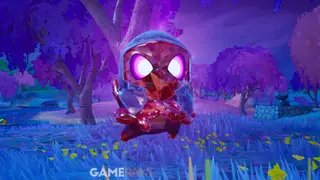
The latest Fortnite mini-season, Treasure Hunters, introduces Fortune Sprites as part of a crossover with the anime One Piece. These rare collectibles can be found in Ruby Sprite Chests, regular chests, or through treasure maps, with some appearing only after the season's launch. Players seeking the Pirate Shop Access Token are encouraged to hunt these sprites for exclusive rewards.
Fortnite’s Treasure Hunters mini-season, launched on November 1, 2026, introduced a crossover with the globally popular anime One Piece, bringing a new island, pirate-themed gameplay, and a variety of collectible Sprites, including the Fortune Sprite variants. These rare items are scattered across the map in Ruby Sprite Chests—guaranteeing a random Fortune Sprite—and can also be found in regular chests or via Sprite Treasure Maps. There are ten distinct Fortune Sprites, each named after a character or parody (e.g., Fortune Barry O'Fish, Fortune Lil' Flacko), with some appearing only after the season’s launch. The primary incentive for collecting them is their ability to reveal nearby chests, significantly aiding loot farming and increasing chances of obtaining the Pirate Shop Access Token. Epic Games, the developer, has structured this event as part of a broader strategy to sustain player engagement through limited-time crossovers and collectible mechanics. The inclusion of One Piece, a franchise with deep cultural resonance in gaming and anime communities, reflects a deliberate effort to expand Fortnite’s appeal beyond its core audience.
The background includes prior seasonal events that have introduced themed content—such as the popular "Lunar Festival" or "Rumble in the Jungle"—but this marks the first major crossover with an established animated series. The success of earlier collaborations, like those with Marvel or Star Wars, likely informed Epic’s decision to partner
This event may deepen engagement among younger gamers and anime fans, reinforcing Fortnite’s role as a cultural hub beyond pure competition. By blending gaming mechanics with narrative-driven collectibles, Epic Games could be cultivating a new model for digital preservation—where in-game items become part of shared cultural memory through limited-time events. The success of this crossover might influence other game developers to pursue similar licensed content, potentially reshaping how video games preserve and reinterpret popular media. A comparable precedent is the Pokémon x Nintendo collaboration, which similarly merged gameplay with nostalgic branding. However, unlike those cases, Fortnite’s model relies on constant change, raising questions about whether such ephemeral content can truly be preserved or if it risks becoming lost to time. What to watch for next is whether Epic will archive these sprites in a museum-like mode or release them as permanent cosmetics—both outcomes could