Fortnite Players Can Unlock Free Gold Cars Through Treasure Chests During Mini-Season
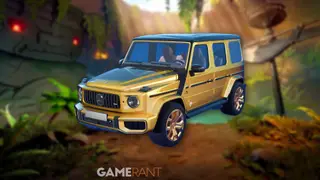
During Fortnite's Treasure Hunters mini-season, players can randomly receive gold cars as rewards by opening Treasure Chests. These vehicles are among the second-rarest rewards, less rare than the Pirate Shop Access Token but more exclusive than standard items. No special actions are required—luck determines whether a player receives one.
During Fortnite’s Treasure Hunters mini-season, which launched on November 1, 2026, players can obtain free Gold Cars by opening Treasure Chests scattered across the map. These vehicles are among the second-rarest rewards in the event, ranking below the exclusive Pirate Shop Access Token and above standard items. Four specific Gold Cars are available: the Gold Mercedes-AMG G 63 'G-Wagon' (released November 1), Gold Cadillac CT5 Blackwing (November 7), Gold Chevrolet Corvette ZR1 (November 14), and Gold Lamborghini Urus SE (November 21). Players must rely on luck to receive one, with no special actions required—though strategies like playing in squads, destroying chests with ranged weapons, visiting Vaults with guaranteed Rare Chests, or using Fortune Sprites to locate hidden ones can improve odds. The season runs through December 5, 2026, giving players a limited window to collect all four cars.
This event builds on Epic Games’ long-standing strategy of using limited-time rewards to sustain player engagement and drive in-game activity. Previous seasons have featured similar treasure-hunting mechanics, but this iteration amplifies the stakes by introducing tiered rarity and cumulative reward tracking. The inclusion of high-end luxury vehicles—real-world brands with strong cultural cachet—reflects Epic’s ongoing effort to blend pop culture with gaming aesthetics. Players are motivated not only by collectibility but also by social status within the community, where owning rare
Fortnite’s Treasure Hunters event exemplifies how gaming culture increasingly blurs the line between entertainment and reward-driven behavior. By embedding rare, branded items like luxury cars into randomized loot systems, Epic Games leverages psychological principles such as variable reinforcement to sustain player engagement. This model may influence broader digital content ecosystems, where platforms use gamified mechanics to encourage user retention across social media, streaming services, and even educational apps. A comparable precedent is the success of Pokémon GO’s augmented reality model, which similarly used real-world exploration and rare item drops to drive widespread participation. The societal impact could be measured in how younger audiences perceive value—where digital collectibles gain emotional weight akin to physical possessions. This may affect spending habits, especially if players begin associating free rewards with long-term investment or social capital. Additio