Raspberry Pi 5 16GB Model Now Costs Over $380, Triple Its Original Price
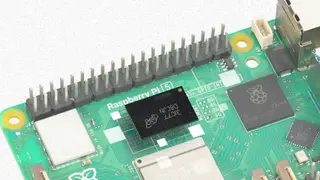
The 16GB variant of the Raspberry Pi 5 has surged to $385, more than tripling its initial January 2025 price. This sharp increase reflects supply constraints and rising demand for high-capacity single-board computers. As a result, hobbyists and developers are increasingly turning to alternatives like Pico and ESP32 for small projects and mini PCs for larger applications.
The 16GB variant of the Raspberry Pi 5, initially launched in January 2025 at a base price, has now surged to $385—more than triple its original cost. This sharp increase reflects growing demand for high-capacity single-board computers amid persistent supply constraints, making the model increasingly inaccessible for average hobbyists and developers. As a result, users are beginning to shift toward alternative platforms such as the Pico and ESP32 for smaller-scale projects, while turning to mini PCs for more resource-intensive applications. The price hike underscores broader market pressures in the semiconductor and embedded systems space, where demand continues to outpace production capacity. While Raspberry Pi Ltd. has not publicly commented on pricing adjustments or supply chain issues, the trend aligns with earlier reports of component shortages affecting consumer electronics globally. The company’s original mission of democratizing access to computing is now being challenged by economic realities that favor larger-scale industrial users over individual makers. Meanwhile, alternative platforms like Pico and ESP32—known for their low cost and energy efficiency—are gaining traction among developers seeking affordable, scalable solutions. It remains unclear whether Raspberry Pi will adjust pricing, expand manufacturing capacity, or release a new model to address the gap. The long-term impact on the maker community and educational programs relying on accessible hardware is st
The price surge of the 16GB Raspberry Pi 5 could widen the digital divide between well-resourced developers and individual hobbyists, particularly in education and grassroots innovation. As entry-level computing becomes less affordable, smaller projects may shift toward proprietary or closed ecosystems, potentially reducing open-source participation. This mirrors earlier concerns during the 2018–2020 semiconductor shortage, when high demand for GPUs and CPUs disrupted gaming, AI research, and small business operations. The current situation may similarly accelerate adoption of alternative platforms like ESP32 and Pico, which could reshape the embedded systems landscape over time. Institutions relying on low-cost hardware for STEM education may face budget constraints or need to pivot to cloud-based alternatives. The broader tech ecosystem—especially startups and independent developers—may see increased reliance on mini PCs or cloud computing, altering how innovation is accessed and sca