RTX 5090 Surpasses $9,000 Amid Record Price Surge Across NVIDIA's New GPU Lineup
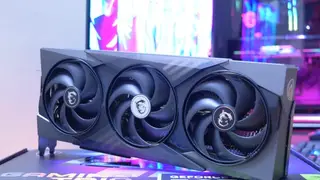
The NVIDIA GeForce RTX 5090 has seen a staggering 370% price increase in the U.S. since launch, now exceeding $9,000, driven by soaring component costs and supply constraints. All GPUs in the RTX 50 series have experienced significant price hikes, with the RTX 5080 rising 120% above MSRP and mid-tier models like the 5070 Ti seeing up to 67% increases. The surge has made current-gen cards increasingly unaffordable, pushing demand toward older models despite their own rising prices.
The NVIDIA GeForce RTX 5090 has surged past $9,000 in the U.S., marking a 370% increase over its original MSRP since launch—driven by escalating component costs and severe supply constraints, particularly for memory and advanced chips like the GB202. This price spike follows a broader trend across the entire RTX 50 series: the RTX 5080 now sells at 120% above MSRP in the U.S., while mid-tier models such as the 5070 Ti and 5070 have seen hikes of up to 67% and 64%, respectively. The 5060 Ti 16 GB variant, burdened by higher VRAM costs, has risen 84% above MSRP, now approaching $800, while the RTX 5050 has climbed from $260 to $420—68% above MSRP. These price increases have occurred rapidly, with some regions recording monthly hikes exceeding 40%, notably in Germany, Australia, and the Netherlands. Reports suggest that demand for the RTX 5090 may be artificially inflating due to speculation about its discontinuation, though NVIDIA has not confirmed this. Meanwhile, board partners report being unable to secure GB202 chips or memory, indicating a systemic supply bottleneck. The situation is exacerbated by broader market dynamics, including rising costs in memory production and growing interest from high-profile figures like Sam Altman, who has drawn attention to idle RAM in consumer systems.
The background for this surge lies in the "RAMpocalypse" phenomenon—referring to a global shortage of DRAM and other semiconductor components that began in early 2026. This scarcity has disp
The dramatic price surge in the RTX 50 series could deepen the divide between high-end enthusiasts and mainstream users, potentially pushing many away from cutting-edge gaming hardware. As flagship GPUs exceed $9,000, affordability becomes a major barrier, which may accelerate demand for older-generation cards or AMD alternatives—even as those options also face price inflation. This shift could impact PC component retailers, who may see declining sales of high-margin products while struggling with inventory shortages. The broader tech ecosystem may feel ripple effects: content creators relying on GPU acceleration, AI developers using consumer-grade hardware, and even cloud providers may be forced to reconsider their compute strategies. A comparable earlier case is the 2017–2018 GPU shortage, when cryptocurrency mining drove prices up and led to widespread shortages—this time, however, the drivers are more structural (memory scarcity) than speculative. What’s next could include increase