Classic Racing Game Underground 2 Now Playable Online in Web Browser
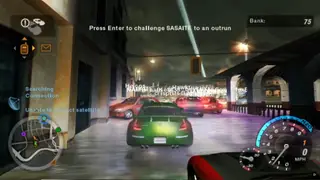
A fan-made project called Underground 2 Revived has successfully ported the 2004 racing game to web browsers using WebAssembly and WebGPU, enabling multiplayer free-roam gameplay. The browser version supports up to 120 FPS, widescreen display, and controller input, attracting thousands of concurrent players in virtual Bayview. Though unofficial and unaffiliated with EA, the project has gained rapid popularity due to its seamless online experience.
In October 2026, a fan-developed project named *Underground 2 Revived* successfully ported the 2004 racing game Need for Speed: Underground 2 to web browsers using WebAssembly and WebGPU, enabling multiplayer free-roam gameplay accessible through Chrome and Firefox. The browser version supports up to 120 FPS, widescreen display, and controller input, allowing thousands of concurrent players to explore the virtual city of Bayview simultaneously. The project, created by developer th0mk, was released in late October and quickly gained traction after viral clips showed densely populated streets, sparking widespread interest. Though unaffiliated with EA—the original publisher—no official response has been issued from the company, leaving uncertainty about potential legal or policy reactions. The game’s original release on PlayStation 2, Xbox, and PC had long since faded into nostalgia, but this new version revitalizes its core appeal through modern web technology.
The project originated as a personal tribute: th0mk recalled playing the game with their brother two decades prior and sought to recreate that shared experience. The developer humorously noted the project “got a bit out of hand,” reflecting both technical success and unexpected popularity. This effort fits within a broader trend of fan-driven emulation and porting, such as the earlier browser-based ports of Halo: Combat Evolved and the RecompLauncher initiative that aggregates console ports. While EA has not commented
This browser port could significantly impact how older games are preserved and accessed, particularly for users with limited hardware or those seeking low-barrier entry points into retro gaming. By running in standard web browsers without requiring downloads or high-end systems, *Underground 2 Revived* may democratize access to legacy titles, potentially reducing reliance on emulators or physical hardware. The success of this project may encourage similar efforts for other out-of-print games, especially those with strong community followings. Comparable cases include the widespread adoption of browser-based ports like those for Super Mario Bros. in the early 2010s, which helped sustain interest in classic titles. However, such projects remain legally precarious—EA’s lack of response may indicate a strategy of non-interference, or it could signal future enforcement actions. The broader gaming industry may take note: if fan ports continue to attract large audiences, publishers might reco