Titanfall 2 VR Mod Launches Open Multiplayer Beta for Competitive VR Action
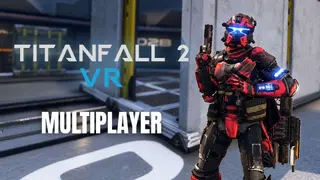
The unofficial Titanfall 2 VR mod, developed by CircuitLord, has introduced an open multiplayer beta allowing players to compete online across NA and EU servers. The mod enhances the original game with VR-native controls, gesture-based reloading, and seamless locomotion mechanics like wall-running and grappling. It remains free, requiring only a personal copy of the game and a compatible OpenXR headset.
In October 2026, CircuitLord, an independent mod developer, launched an open multiplayer beta for the unofficial Titanfall 2 VR mod, enabling online competition across North American and European servers. This update marks a significant evolution from the mod’s initial release, which offered a VR-native single-player experience with reworked controls, gesture-based reloading (including for weapons like the Wingman), and seamless locomotion mechanics such as wall-running and grappling. The mod remains free to use, requiring only a personal copy of Titanfall 2 and a compatible OpenXR headset, making it accessible to a broad audience of VR enthusiasts. The open beta represents a major milestone in community-driven VR content development, transforming a legacy first-person shooter into a competitive multiplayer VR experience without official support from Respawn Entertainment or EA.
The mod’s success builds on prior momentum in the PC VR modding scene, where developers have increasingly pushed the boundaries of porting and enhancing non-VR titles for immersive environments. CircuitLord’s work follows a pattern seen in earlier mods like those for Half-Life: Alyx or Skyrim VR, but with a unique focus on preserving the fast-paced, acrobatic combat that defined Titanfall 2’s original design. The mod’s development reflects a growing demand for high-quality, player-created content that fills gaps left by mainstream studios. CircuitLord, who is also working on a new VR title called No
The expansion of Titanfall 2 into a competitive VR multiplayer environment via an unofficial mod highlights a broader trend where passionate communities are reshaping legacy games for new platforms. This development could empower other indie creators and modders to pursue similar projects, potentially revitalizing older titles in immersive formats without relying on corporate backing. The success of this mod may also influence how publishers perceive user-generated content—either encouraging openness or prompting tighter restrictions to protect intellectual property and monetization models. A comparable precedent is the enduring popularity of modded multiplayer experiences in games like Minecraft or Grand Theft Auto V, where community innovation outpaced official updates for years. In the VR space, this could signal a shift toward more decentralized content ecosystems, especially as hardware becomes more accessible. However, the long-term sustainability of such efforts remains uncertai