RTX 5090 Surpasses $9,400 in U.S., Selling at 370% Above MSRP Amid Ongoing Price Surge
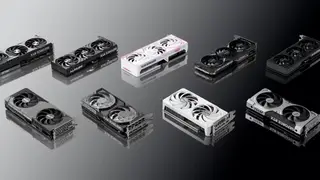
Graphics card prices rose again in October, with the average GPU selling 44% above MSRP and models in the U.S. reaching up to 58% over MSRP. The RTX 5090 now commands $9,400 in the U.S., a 370% markup from its $1,999 base price, while the RTX 5080 has also seen a 22% monthly increase. Industry analysts suggest supply constraints and upcoming price hikes may be driving the continued escalation.
In October 2026, graphics card prices surged globally, with the average GPU selling 44% above MSRP—reaching 58% in the U.S. and Canada. The GeForce RTX 5090 now commands $9,400 in the United States, a 370% markup over its $1,999 base price, while its normalized global price stands at $7,240, up 32% in just one month and 262% above MSRP. The RTX 5080 has also risen sharply, increasing 22% monthly to $2,200 in the U.S., with Newegg reporting no in-stock units at the time of data collection. Industry analysts point to supply constraints, particularly around GDDR7 memory, though some retail sources indicate wholesale costs for the RTX 5080 have also increased. Despite rumors of discontinuation, NVIDIA has denied ending production of the RTX 5090, though reports suggest a 24 GB RTX 5080 may replace the current model. Meanwhile, AMD’s Radeon cards saw even steeper gains—RX 9060 XT rose 17% month-over-month, and RX 9070 XT approached $1,000 before an anticipated November price hike. These trends follow earlier reports of planned discontinuations in January 2027 and a broader memory shortage forecasted by Micron’s CEO for 2027–2028.
NVIDIA, AMD, and major retailers like Newegg are central to the situation. NVIDIA appears to be managing supply and pricing through strategic product transitions, possibly to prioritize workstation silicon (GB202) over consumer models. Retailers face inventory shortages and escalating costs, while consumers—especially gamers and creators—are hit by extre
The escalating prices of high-end GPUs like the RTX 5090 and RX 9070 XT could deepen digital inequality, making cutting-edge computing inaccessible to average consumers while favoring enterprises and wealthy individuals. Gamers, content creators, and AI researchers may face higher entry barriers, potentially slowing innovation in creative fields reliant on accessible hardware. The broader tech ecosystem may also be affected—modding communities, indie developers, and educational institutions could see reduced participation due to cost. This situation echoes the 2017–2018 GPU shortage driven by cryptocurrency mining, which similarly inflated prices and disrupted markets. However, unlike then, current price spikes coincide with anticipated product transitions and supply constraints that may be more structural than cyclical. What may follow is a shift toward longer product lifecycles, increased demand for used or refurbished cards, or greater investment in alternative compute platforms suc