Barbie Rewind Collection Brings 16 Retro Games to Modern Platforms on November 12
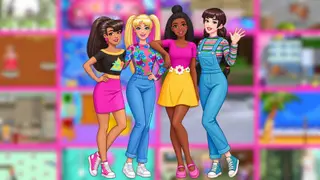
Barbie Rewind, a curated collection of 16 classic Barbie video games, is set to launch on November 12, 2026. The release will feature remastered versions of titles from the 1990s, including games originally released on NES, Game Boy, and Sega Genesis. Players can also enjoy a new DreamHouse customization mode, making it a nostalgic celebration for longtime fans.
Barbie Rewind Collection, set for release on November 12, 2026, will bring 16 remastered video games from the 1990s and early 2000s to modern platforms including PC, PlayStation 4/5, Xbox One/Series X|S, and Nintendo Switch (including Switch 2). The collection features titles originally released on NES, Game Boy, Sega Genesis, Super Nintendo, and PlayStation, such as Barbie Game Girl (1992), Barbie Super Model (1993), and the previously unreleased Barbie Vacation Adventure. Notably, the package includes a new DreamHouse customization mode with over 250 retro-inspired furnishings and decorations, allowing players to personalize Barbie’s iconic home across three distinct vintage designs. The game will be available digitally for $29.99, with physical editions planned for PlayStation 5 and Nintendo Switch; the Switch Deluxe Edition, priced at $59.99, includes an exclusive Atari-themed Barbie doll and additional collectibles. Despite Atari listing 17 titles on its official site, the marketing material consistently refers to a 16-game collection, leaving the discrepancy unexplained.
The release marks a significant moment in game preservation, as many of these early Barbie titles were never officially re-released or are otherwise inaccessible due to outdated hardware and digital decay. Atari, the publisher, appears to be capitalizing on nostalgia while also expanding its legacy portfolio through curated re-releases. The inclusion of unreleased content like Barbie Vacation Adventure
Barbie Rewind could reignite broader public interest in preserving forgotten or abandoned video games, particularly those tied to children’s media franchises. As digital formats age and hardware becomes obsolete, such re-releases may become a primary means of access to cultural artifacts that would otherwise vanish. This collection may inspire similar preservation efforts for other underrepresented game genres or characters from the 1990s, especially those aimed at young female audiences who were historically underserved in gaming history. Comparable cases include the Nintendo Switch Online library and the recent re-releases of classic Sonic games, both of which revived interest in retro titles while also raising questions about authenticity and developer credit. The success of Barbie Rewind may encourage more companies to explore archival projects, though it remains uncertain whether such efforts will prioritize historical fidelity or commercial appeal. What to watch for next is wheth