Classic WoW Revival Rekindles Nostalgia in World of Warcraft: Forever Beta
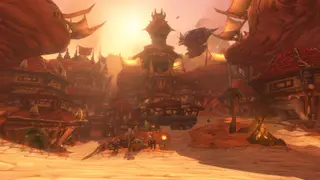
After over 100 hours in the beta, the author found that the most impactful aspect of World of Warcraft: Forever wasn't new content but a return to the game’s nostalgic essence. The experience revived the sense of wonder and community that had faded in later expansions. Players report feeling reconnected to Azeroth through familiar pacing, exploration, and character progression.
After over 100 hours in the beta of World of Warcraft: Forever, released in November 2026, player Josh Cotts reported a profound emotional and experiential shift from modern WoW’s endgame-focused design to a return to the game’s original pacing and sense of discovery. The core appeal was not new content but the revival of early-game mechanics—slower progression, meaningful enemy encounters, and questing that felt rewarding in itself rather than as a prelude to raiding or PvP. Cotts, who first played during the Burning Crusade expansion, described how later expansions had eroded the sense of wonder he once felt, replacing exploration with efficiency-driven grinding. In Forever, even basic actions like acquiring new abilities or leveling up felt significant again, restoring the emotional weight of character growth. The beta allowed him to play multiple Horde classes—including an Undead Rogue and a Troll Hunter—each offering distinct early-game experiences that encouraged experimentation over optimization.
This shift reflects broader industry trends where players increasingly seek authentic nostalgia over technological advancement. Blizzard, the developer behind WoW, has faced criticism for prioritizing content volume and endgame complexity in recent expansions, alienating long-time players who value world immersion. The Forever beta appears to be a strategic pivot toward reestablishing the game’s foundational identity—emphasizing community, exploration, and gradual progression
The revival of classic WoW mechanics through Forever could signal a broader cultural reevaluation of digital leisure, where players increasingly value emotional resonance over efficiency. As gaming culture matures, there’s growing demand for experiences that foster connection, reflection, and shared memory—qualities often lost in hyper-optimized modern games. This mirrors the resurgence of interest in early internet communities and retro platforms like Twitch’s “classic” streams or the popularity of pixel art indie games. If Forever succeeds commercially, it may encourage other studios to revisit foundational design principles rather than chasing endless content cycles. However, this could also deepen the divide between veteran and new players, potentially making onboarding harder for newcomers unfamiliar with slower pacing. The long-term impact may depend on how well Blizzard balances nostalgia with accessibility—something not yet proven in the beta’s limited scope.