Bethesda's Elder Scrolls VI Named Sentinel, While Mobile Spinoff Castles Offers Tamriel-Themed Strategy Fun
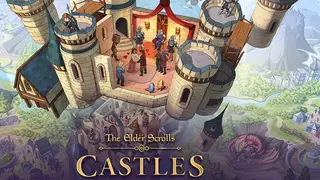
The Elder Scrolls VI has officially been named Sentinel, though no release date has been announced. In the meantime, fans can enjoy The Elder Scrolls: Castles on mobile, a strategy game where players build and manage a fortress and dynasty in the Tamriel universe. The game offers a nostalgic nod to earlier mobile entries like The Elder Scrolls Travels.
Bethesda Softworks has officially named its upcoming flagship title, The Elder Scrolls VI, as Sentinel, though no release date has been announced. This marks a significant step forward after years of speculation and silence surrounding the game’s development. In contrast, The Elder Scrolls: Castles—available on iOS and Android—has emerged as a mobile-focused spinoff offering players a strategy experience centered on building and managing a fortress and dynasty within the Tamriel universe. The game is positioned as a successor to earlier mobile efforts like The Elder Scrolls Travels, which explored lesser-known regions of Tamriel such as Stormhold, Dawnstar, and Hammerfell. While Castles does not feature the open-world exploration of mainline entries, it provides a narrative and strategic depth rooted in the lore of the franchise. The announcement comes amid the closure of The Elder Scrolls: Blades earlier in 2024, which left mobile fans with fewer options for Tamriel-based gameplay.
The broader context reveals a shift in Bethesda’s mobile strategy: after investing in titles like Blades and Travels, the company appears to be refocusing on niche, long-term experiences rather than broad releases. The Elder Scrolls: Castles seems designed to maintain community engagement during the prolonged wait for Sentinel, leveraging nostalgia and franchise familiarity. Bethesda’s goal is likely to sustain interest across platforms while developing the next major entry in a series that has
The release of The Elder Scrolls: Castles could signal a renewed commitment to mobile gaming within a franchise historically centered on high-end console and PC experiences. While not a direct replacement for mainline entries, it may help Bethesda retain younger or casual players who engage with games on smartphones. This move echoes the success of earlier mobile RPGs like Clash of Clans or Pokémon GO, which built lasting communities by offering accessible, persistent gameplay. If Castles gains traction, it could influence how major studios approach spinoffs—using mobile platforms to deepen world-building and fan engagement during long development cycles. However, its impact may be limited if the game fails to deliver substantial content beyond basic strategy mechanics. The broader gaming market may see a trend toward “micro-experiences” tied to major franchises, especially as players seek bite-sized content between major releases. What’s next could include more mobile-focused expansio