Retro Turn-Based Shooter Monsta Returns for Modern Mobile Devices
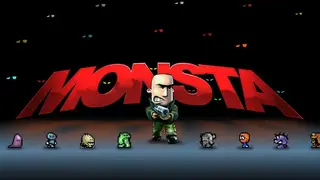
The 2000s-era PDA game Monsta, originally developed for PalmOS, has been revived and released on iOS and Android with updated visuals and gameplay. The turn-based tactical shooter challenges players to survive against a variety of mutant monsters using strategy, limited resources, and clever use of weapons and gadgets. Its retro aesthetic and roguelike mechanics make it a nostalgic yet fresh experience for modern mobile gamers.
Monsta, originally developed by Serbian studio Superverse Industries in the early 2000s for PalmOS devices, has been re-released on iOS and Android platforms as of November 4, 2023. The game, a turn-based tactical shooter, features over 50 handcrafted levels and challenges players to survive against mutant monsters using strategy, limited resources, and a variety of weapons and gadgets. Its retro aesthetic, rooted in the hardware constraints of early PDAs, has been preserved and updated for modern devices, maintaining its distinctive visual style while adapting gameplay mechanics to contemporary mobile standards. The revival reflects a broader trend of re-releasing niche or obscure mobile titles from the pre-smartphone era, capitalizing on nostalgia and the growing appetite for retro-inspired games.
The game’s return is notable given that mobile gaming in the 2000s was largely defined by simple, low-resolution titles constrained by PDA capabilities. Monsta emerged during this period as a sophisticated example of tactical design within those limitations, foreshadowing today’s popular roguelike and turn-based genres. Superverse Industries, the original developer, appears to be re-engaging with its legacy, possibly seeking to reclaim recognition or monetize a cult classic. The inclusion of artists, developers, and composers from Serbia’s early 2000s game scene adds cultural weight, suggesting the project may also serve as a historical artifact of regional digital creativity.
W
Monsta’s re-release could influence the growing market for nostalgic mobile gaming, particularly among players seeking depth beyond casual titles. As mobile platforms increasingly support complex gameplay, titles like Monsta may help bridge the gap between early mobile experimentation and today’s high-quality indie releases. Its success may encourage other developers to revisit forgotten works from the PDA or early smartphone era, potentially revitalizing overlooked cultural artifacts in digital gaming history. A comparable case is the resurgence of games like *Qix* or *Tetris* on modern platforms—nostalgia-driven revivals that attract both longtime fans and new audiences. Monsta’s impact may be more niche, but it could inspire a broader appreciation for early mobile design innovation. The game’s success may also prompt publishers to explore archival projects in other regions with under-documented early game development scenes, such as Serbia’s 2000s indie community. What to watch for