Top 13 PC Emulators of 2026 Offer Seamless Retro Gaming Across Platforms
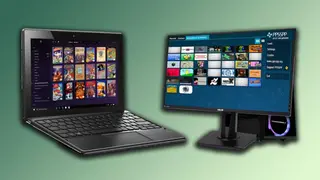
This comprehensive guide evaluates the most reliable and widely used emulators for PC in 2026, highlighting their compatibility, performance, and ease of use. RetroArch leads the list as a versatile, all-in-one solution supporting multiple console cores, while DuckStation excels in accurately emulating the PlayStation. The article emphasizes the growing popularity of emulation among nostalgia-driven gamers and the role of community-driven enhancements.
In 2026, the landscape of PC emulation is defined by a suite of mature, community-driven tools that have evolved from niche hobbyist projects into essential cultural preservation platforms. RetroArch, first released in 2010, remains the top-tier all-in-one solution, supporting multiple console cores and offering unparalleled compatibility across retro systems. It stands out for its reliability and open-source foundation, serving as a backbone for both casual users and advanced modders. DuckStation, launched in 2019, has become the gold standard for PlayStation 1 emulation, praised for its geometric precision, shader customization, and support for features like save states, rewind, and online achievements—tools that enhance the experience beyond simple recreation. Meanwhile, Afterplay (2021) introduces a cloud-synced model, allowing users to resume games across devices via browser access, while also integrating a digital storefront for indie titles and physical game ordering. Dolphin Emulator, active since 2003, continues to lead in GameCube and Wii emulation, with 69.7% of games classified as "Perfect" and ongoing improvements in graphical upscaling. PCSX2 (2002), the dominant PS2 emulator, supports nearly 2,700 titles, with 98.36% deemed playable—highlighting its maturity despite the console’s age. These emulators are not just tools for nostalgia; they are part of a broader movement to preserve digital culture, driven by organizations like RetroDodo and independent developer
The proliferation of high-fidelity emulators in 2026 could significantly reshape how younger generations engage with gaming history, turning retro titles into accessible, shareable experiences across devices. This shift may empower educators and archivists to use emulation as a tool for teaching digital culture, much like how film preservation has informed media studies. The cloud integration seen in Afterplay may foreshadow broader trends toward subscription-based access to curated retro libraries, potentially disrupting traditional game distribution models. Comparable to the rise of streaming services in music and video, emulation platforms could evolve into hybrid ecosystems blending preservation with commerce. However, this convergence raises concerns about digital rights management, long-term sustainability, and the risk of corporate co-option. The success of community-driven projects like RetroArch and DuckStation suggests a resilient grassroots model, but whether such tools can