FromSoftware’s Switch 2 Exclusive Faces High Hopes Amid Uncertain Multiplayer Experiment
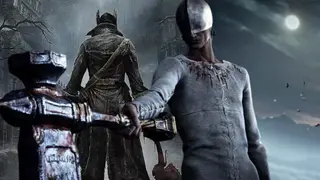
The surprising surge in Bloodborne's sales in 2026 has raised expectations for The Duskbloods, FromSoftware's upcoming multiplayer-focused title exclusive to the Nintendo Switch 2. This marks a significant departure from the studio’s traditional single-player, high-difficulty design, introducing new risks and challenges. While fans are excited about the collaboration with Nintendo, the shift toward multiplayer could strain the developer’s core identity.
In November 2026, Bloodborne—released in 2015—sold an estimated 250,000 units, a remarkable figure for a game over a decade old, fueling speculation about its enduring legacy and influence. This resurgence has directly shaped expectations for The Duskbloods, FromSoftware’s upcoming multiplayer-focused title exclusive to the Nintendo Switch 2, originally slated for a 2026 release but delayed until 2027. The game is described as a PvPvE experience set in a gothic, Victorian-inspired world echoing Bloodborne’s aesthetic and tone, though it diverges significantly by embracing online multiplayer—a stark contrast to FromSoftware’s traditional single-player, high-difficulty design. This shift marks the first time since the early 2000s that FromSoftware has developed a game exclusively for a Nintendo console, representing a bold strategic move by both studios. While Bloodborne’s continued popularity may lead Nintendo to expect similar long-term success, the reality of multiplayer mechanics and platform exclusivity introduces substantial risk. The Duskbloods’ core identity—its blend of horror, exploration, and punishing gameplay—is being tested in a new social environment, potentially alienating longtime fans who value isolation and narrative depth.
The people involved include FromSoftware, known for crafting intricate, challenging single-player experiences; Nintendo, seeking to bolster its Switch 2 ecosystem with high-profile exclusives; and PlayStation, whose continued strong sales
The Duskbloods’ development reflects a broader trend in gaming culture where nostalgia-driven success is leveraged to justify bold creative risks. Bloodborne’s enduring sales demonstrate how classic titles can maintain relevance decades later, influencing publisher strategies around re-releases and sequels. However, this case highlights the danger of conflating nostalgic appeal with market predictability—what worked for a single-player horror masterpiece may not translate to multiplayer or new platforms. If The Duskbloods underperforms despite high expectations, it could signal a shift in how publishers evaluate exclusivity deals, especially when tied to aging franchises or experimental genres. A comparable precedent is the mixed reception of Halo: The Master Chief Collection on newer platforms—while beloved by fans, its technical and design compromises revealed limits to nostalgia’s power. For Nintendo, success may depend less on replicating Bloodborne’s legacy than on cultivating a n