Fans Rally for Ocarina of Time Physical Release Amid Industry Shifts
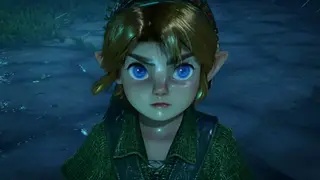
Thousands of fans gathered for midnight launches of a physical release of The Legend of Zelda: Ocarina of Time, demonstrating strong demand for tangible game copies despite industry moves toward digital-only formats. The event highlighted a growing cultural resistance to the decline of physical media in gaming. Enthusiasts celebrated the game's enduring legacy and its role as a symbol of nostalgia and collectibility.
On November 5, 2026, thousands of fans worldwide attended midnight launches for the Nintendo Switch 2 remake of The Legend of Zelda: Ocarina of Time, marking a significant resurgence in physical gaming culture. Events were held at major retailers including Argos in London—where queues reportedly reached 500 people—and multiple GameStop and Best Buy locations across the United States, with video footage capturing enthusiastic crowds dressed in themed costumes and holding banners. The game’s release came amid growing industry skepticism about physical media, particularly after Sony announced it would cease producing physical games for its next console, sparking widespread backlash including petitions, proposed legislation, and even legal action. Despite Sony’s stance that consumer demand for physical copies was insufficient, the Ocarina of Time launch demonstrated a powerful counter-narrative: when a beloved title is offered in physical form, fans will line up to buy it. The remake itself has been met with critical acclaim, earning a 96/100 average on OpenCritic and a perfect 5/5 score from TheGamer’s reviewer Collin MacGregor, who praised it as the definitive version of the game. Its status as Metacritic’s highest-rated game of all time—though disputed—further fuels its cultural significance.
The event reflects deeper tensions in gaming culture between digital convenience and physical collectibility. While digital distribution has become dominant, the enduring emotional reson
The midnight launches for Ocarina of Time could signal a broader cultural shift in how gamers value ownership and nostalgia, potentially influencing publisher strategies beyond Nintendo. While Sony’s digital-only push reflects a business model prioritizing convenience and reduced production costs, the overwhelming turnout suggests that emotional attachment to physical media still holds substantial power. This may prompt other developers and publishers to reconsider their distribution models, especially for titles with strong fanbases or historical significance. A comparable precedent is the 2013 release of The Legend of Zelda: Ocarina of Time 3D remake on the Nintendo 3DS, which also sparked collector interest and nostalgia-driven sales. However, unlike then, today’s digital dominance makes such physical events even more notable. If this trend continues, it may lead to a niche but resilient market for limited-edition physical releases, particularly for anniversary or remastered games.