Zelda Remake Ditches Mario Easter Eggs to Preserve Immersion
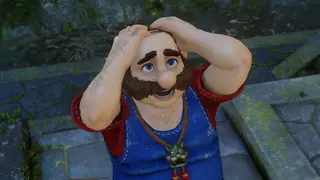
The remake of The Legend of Zelda: Ocarina of Time has removed several Super Mario-themed easter eggs, including iconic portraits visible through courtyard windows. According to the game's producer, these changes were made to maintain player immersion in Hyrule’s world. The decision sparked nostalgia among fans who cherished the original game’s playful nods to Nintendo’s other franchises.
The 2026 remake of The Legend of Zelda: Ocarina of Time has removed several Super Mario-themed easter eggs present in the original 1998 game, including pixel art portraits of Mario and Yoshi visible through windows in Hyrule’s courtyard. These references, which featured images from Super Mario 64 and Mario Kart 64, were absent in the new version, as confirmed by series producer Eiji Aonuma during an interview with GoNintendo. Aonuma explained that while such nods were acceptable in the original due to its simpler design, they could now "interrupt" player immersion in a more detailed and immersive remake. The decision also extended to removing the Skyward Sword easter egg present in the 3DS version. The change was made despite fan nostalgia for these playful tributes, which had become iconic within gaming culture. The remake was released on November 5, 2026, and is developed and published by Nintendo.
The background of this decision lies in evolving design philosophies around worldbuilding and player engagement. Earlier versions of the game, particularly those from the late 1990s, often included light-hearted, meta references as a form of developer whimsy. However, modern remakes—especially those aiming for cinematic realism—prioritize consistency and environmental storytelling. Aonuma’s stance reflects a broader industry trend where immersion is prioritized over nostalgic callbacks, even when they are well-received. Nintendo, as the publisher and developer, seeks to deliver
The removal of Mario easter eggs from the Ocarina of Time remake may signal a broader shift in how game preservation and remastering are approached—favoring narrative cohesion over nostalgic in-jokes. This decision could influence future remakes across franchises, especially those with long histories of cross-title references, such as Metroid or Kirby. While fans of retro gaming culture may feel alienated by the erasure of these playful details, the move underscores a growing industry emphasis on immersive worldbuilding, particularly for new audiences unfamiliar with older design conventions. A comparable precedent is the removal of "cheese" references in the 2013 Tomb Raider remake, which similarly prioritized realism over developer humor. What remains uncertain is whether such changes will be seen as necessary evolution or a loss of cultural continuity. The long-term impact may depend on how future generations perceive these remakes—whether as authentic reimaginings or sanitized vers