Six Years After Launch, Assassin's Creed Valhalla Finally Gets New Game Plus Mode
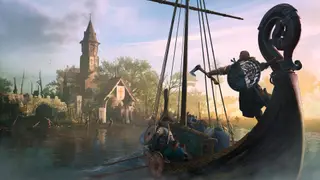
Ubisoft has released update 1.8.0 for Assassin's Creed Valhalla, introducing the long-awaited New Game Plus feature just six years after the game’s initial release. The free update also includes new gear, achievements, expanded gameplay features like the Stash and Rune Forge upgrades, and support for PSSR 2. Players can now access NG+ by completing the Holy Day Quest in Hamtunscire, with each subsequent playthrough increasing in difficulty.
Six years after its initial release on November 10, 2020, Assassin’s Creed Valhalla has finally received a New Game Plus (NG+) mode via update 1.8.0, now available as a free patch across all platforms. The update, dubbed by Ubisoft as “the most requested update,” introduces NG+ through completion of the Holy Day Quest in the Hamtunscire region—before the game’s true ending—allowing players to replay the story with increased difficulty on each subsequent run. Alongside NG+, the update adds new mechanics such as a Stash system in Ravensthorpe for managing inventory clutter, an upgraded Rune Forge with a dedicated menu for engraving perks from DLCs and Helix Store purchases, and new resources like Mithril (earned by revisiting previously acquired gear or books) and Platinum (awarded from Wealth Chests). Divine Gear now maxes out at level 27, up from 13, to support the expanded progression. The update also includes two new achievements: Ivaldi's Heir for fully upgrading Divine Gear, and Circle of Renewal for completing an NG+ run.
The long delay in delivering NG+ is notable, especially since Ubisoft had previously stated in 2022 that the feature would not be added. This reversal underscores shifting priorities in post-launch support, particularly for a title that has aged into a cult favorite despite mixed initial reception. The update’s release reflects a broader industry trend of revisiting older games with quality-of-life improvements and long-requested features, especially
The introduction of NG+ to a six-year-old game may signal a growing industry shift toward re-engaging players with mature titles through meaningful, free updates—potentially setting a precedent for how studios handle post-launch support. This could impact player expectations, encouraging communities to demand similar features from other long-running games, especially in the RPG and open-world genres where replayability is highly valued. The move may also influence how publishers assess a game’s lifecycle, potentially extending active development periods beyond traditional post-launch windows. A comparable case is The Witcher 3: Wild Hunt, which received major free updates years after release, including quality-of-life improvements and new content that revitalized its player base. If this trend continues, it could reshape the business model around “evergreen” games, where ongoing support becomes a competitive advantage. However, whether such efforts will be sustainable across all titles