Top 10 Legend of Zelda Titles Ranked by Fan and Critical Acclaim
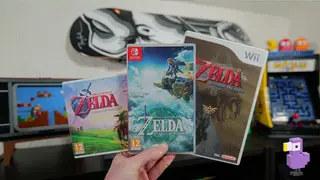
A personal ranking of the most acclaimed mainline Legend of Zelda games, led by Breath of the Wild as the definitive masterpiece. The list emphasizes gameplay innovation, narrative depth, and emotional resonance across the franchise’s evolution. It excludes remakes, spin-offs, and non-canon titles to focus solely on the core series' defining entries.
In November 2026, gaming journalist Sebastian Santabarbara published a ranked list of the top mainline Legend of Zelda games, placing The Legend of Zelda: Breath of the Wild (2017) at number one and a remastered version of The Legend of Zelda: Ocarina of Time (2026) at number two—despite the original 1998 release holding third place. This ranking reflects a shift in critical and fan perception, where innovation and technical evolution have overtaken nostalgic reverence for the original. The 2026 remake of Ocarina of Time, developed by Nintendo and released on the Switch 2, features enhanced visuals, updated mechanics like jump functionality, and refined dungeon design—elements that were previously constrained by hardware limitations in the 1998 N64 version. The decision to remaster a game long considered a pinnacle of gaming history underscores Nintendo’s strategy of re-engaging longtime fans through modernized experiences while maintaining canon integrity. Santabarbara, who grew up with the franchise and now writes for a major news aggregator, positions himself as both a fan and critic, emphasizing emotional resonance and personal journey over pure technical metrics. What remains unresolved is whether this ranking reflects broader industry trends toward remakes or if Breath of the Wild’s acclaim will endure as an unassailable benchmark for future open-world design.
Santabarbara’s list could influence how audiences perceive game longevity and innovation, particularly in long-running franchises where nostalgia competes with modern expectations. By elevating a remake over the original Ocarina of Time, the article may signal a cultural shift toward valuing updated experiences over historical authenticity—similar to how re-releases of Star Wars films sparked debate about preservation versus evolution. This could impact consumer behavior, encouraging purchases of remastered titles even when originals remain playable. Publishers like Nintendo may leverage such narratives to justify repeated remakes, potentially affecting the market for original content. Meanwhile, critics and fans may push back against perceived nostalgia inflation, questioning whether innovation should be measured by technical upgrades or narrative depth. The broader gaming community may begin to reevaluate what constitutes a “classic,” with implications for game preservation, archival