Nintendo Removes Classic Mario Joke from New Zelda Remake
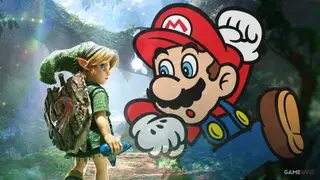
The newly released Nintendo Switch 2 remake of The Legend of Zelda: Ocarina of Time has removed a long-standing Super Mario Easter egg present in earlier versions. This change marks a deliberate decision by Nintendo to streamline the experience, possibly due to licensing or branding considerations. Fans have noted the absence as a notable departure from the original's playful spirit.
On November 5, 2026, Nintendo released a new remake of The Legend of Zelda: Ocarina of Time for the Nintendo Switch 2, featuring updated visuals, modernized controls, and a fully rebuilt Hyrule. Among the notable changes is the complete removal of a long-standing Super Mario Easter egg: portraits of Mario, Yoshi, Peach, Bowser, and Luigi visible through windows in Hyrule Castle’s courtyard—a reference to the earlier Super Mario 64 release. This feature was first altered in the 2011 Nintendo 3DS remake, which replaced the portraits with a Super Mario level image, and has now been fully excised in the Switch 2 version, where the windows instead display a tapestry players can gradually complete. The Skyward Sword artwork, previously included in the 3DS version as a nod to a future game, was also removed. Zelda series producer Eiji Aonuma confirmed that the decision stems from a desire to maintain immersion, explaining that unrelated references—such as seeing Yoshi in a Zelda setting—could disrupt players’ engagement with Hyrule’s world. Despite these omissions, some original Easter eggs remain, including the bomb-throwing guard and Gossip Stones’ cartoonish reactions.
The shift reflects a broader evolution in Nintendo’s approach to game design and branding. While earlier versions of Ocarina of Time embraced playful cross-franchise references with a sense of whimsy, the current remake prioritizes narrative cohesion and environmental authenticity. Aonuma noted that the original E
The removal of the Mario Easter egg could signal a growing trend toward tighter narrative control in game remakes, especially as studios aim to balance nostalgia with immersive world-building. Players who cherish these hidden nods may feel a sense of loss, particularly those for whom such references were part of the emotional fabric of classic games. This shift may affect fan communities that value playful intertextuality and shared cultural references across franchises. The broader gaming market may respond by demanding more transparency from developers about what changes are made in remakes—especially when they erase beloved details. A comparable precedent is the removal of certain references in the 2013 re-release of Halo: Combat Evolved, which sparked debate over authenticity versus modernization. As Nintendo continues to expand its ecosystem with new hardware and cross-game integration, how it handles legacy content may influence expectations for future remakes across other franch