Fortnite’s Weekly Treasure Hunters Update Reveals New Captains, Sprites, and Loot
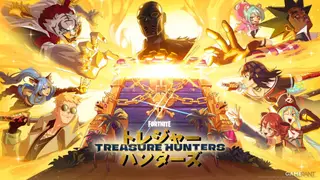
Each week in Fortnite’s Treasure Hunters mode brings a new Captain, unique Sprite variants, updated loot pools, and special weapons. The schedule includes appearances from pop culture icons like A$AP Rocky and Hatsune Miku, with themed challenges and boss battles tied to each island. Players can earn exclusive rewards by completing weekly quests and defeating these in-game leaders.
Fortnite’s Treasure Hunters mode has rolled out its weekly Chapter 7 Mini-Season update, introducing a rotating schedule of themed islands, captains, and exclusive loot from November 1 to December 5, 2026. Each week features a new Captain—A$AP Rocky in Week One, followed by Lil Uzi Vert, Hatsune Miku, Oscar, and a yet-to-be-confirmed figure in Week Five—each leading unique Sprite variants such as Lil' Flacko, Cuddle Team Leader, and Kasane Teto. These captains serve as boss enemies on their respective islands, with players required to defeat them to claim special weapons like the Shock Rocket, Lil' SMG, Leekcapper, Flapjack Rifle, and Oscar’s Frenzy Auto Shotgun. Loot pools evolve weekly, introducing themed variants—Fortune, Cursed, Liquid Gold—and new items such as Slapperoni Pizza and Seven Sliders. The updates are timed to release every Saturday, culminating in a final end-of-chapter event before the transition into Chapter 8. Epic Games, the developer and publisher, continues its strategy of integrating pop culture icons into gameplay to sustain player engagement and drive in-game purchases through limited-time content.
This iteration builds on Fortnite’s long-standing live-service model, where recurring seasonal updates and themed events have become central to retaining a global audience since the game’s 2017 launch. The inclusion of high-profile figures like A$AP Rocky and Hatsune Miku—both known for their influence in music and digital culture—reflects Epic Games’ ong
Fortnite’s weekly Treasure Hunters updates could deepen player immersion in a shared digital culture where gaming intersects with music, fashion, and virtual identity. By featuring real-world celebrities like A$AP Rocky and Hatsune Miku—whose fanbases span generations and geographies—Epic Games may be cultivating a new kind of participatory fandom, where players don’t just consume content but actively engage with it through gameplay. This model could influence other live-service games to adopt similar rotating celebrity integrations, potentially reshaping how brands leverage virtual spaces for marketing. A comparable precedent is the success of Fortnite’s 2020 Travis Scott concert, which drew millions and demonstrated the game’s capacity as a cultural platform. The long-term impact may extend beyond gaming, affecting music promotion, digital fashion, and even social media trends. What to watch for next is whether these collaborations will evolve into deeper narrative arcs or remain epi