Vendors Shift Strategy, Pushing Older GPUs Amid RTX 50 Supply Crunch
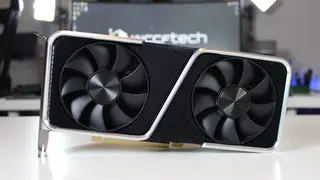
Due to severe shortages and skyrocketing prices, vendors are now advising distributors to prioritize older-generation GPUs like the RTX 30 series and select AMD Radeon models. The shift comes as demand for current-gen cards exceeds supply, exacerbated by mining interest and e-commerce season pressures in China. Despite their age, older GPUs such as the RTX 3060 12 GB remain popular, now leading Steam's hardware survey despite rising prices.
In November 2026, NVIDIA and AMD vendors are advising distributors to prioritize older-generation GPUs—particularly the GeForce RTX 30 series and select AMD Radeon models—due to severe shortages of the newer RTX 50 series. The RTX 50 series, despite being the latest generation, faces near-total inventory depletion, with major retailers like Newegg reporting zero stock. This shift is driven by a confluence of factors: persistent demand from cryptocurrency miners, heightened e-commerce activity in China during its annual promotional season, and rising component costs that have made manufacturing current-gen cards less viable. Among the older models being pushed, the RTX 3060 12 GB has seen renewed popularity, now ranking as the most used GPU on Steam’s October 2026 hardware survey, despite its age. This card features 3,584 CUDA cores and a 192-bit memory bus, making it still effective for 1080p and 1440p gaming. The RTX 3050 and 8 GB variants of the 3060 are also being promoted as alternatives. Vendors are encouraging distributors to shift focus from high-margin, scarce new models to older stock that remains in demand. However, even these older GPUs may see price increases due to inflationary pressures on memory and manufacturing components. The situation reflects a broader pattern where supply chain constraints and market volatility force companies to adapt strategies mid-cycle.
The background includes earlier reports of rising prices for GPU memory bundles, with AMD announci
The current GPU shortage and vendor pivot toward older models could disproportionately affect budget-conscious consumers and small-scale content creators who rely on accessible hardware. As prices for even mid-tier cards like the RTX 3060 continue to rise, entry-level gaming and creative work may become less affordable, potentially widening the digital divide. The shift may also impact secondary markets, where resale values of older GPUs could spike due to scarcity, though this could be offset by increased availability of used units. Adjacent industries—such as cloud gaming providers and AI startups—may face higher costs for compute infrastructure if GPU supply remains constrained. A comparable earlier case is the 2021–2022 crypto mining frenzy, which similarly disrupted consumer access to GPUs and led to inflated prices and long wait times. That period eventually stabilized as mining demand waned and production ramped up. This time, however, the situation may persist longer due to sus