China Launches World’s First 800-Volt DC Data Center System to Boost AI Efficiency
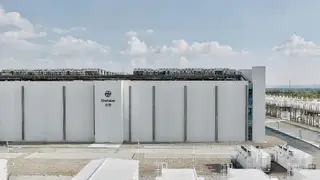
China has deployed the world’s first commercial data center using an integrated 800-volt direct current power system, aiming to improve energy efficiency and reduce physical space requirements for large-scale AI infrastructure. The system enables higher power conversion rates and lower losses compared to traditional AC-based setups, supporting the growing demands of AI computing. This advancement marks a significant step in optimizing data center design for next-generation AI workloads.
China has deployed the world’s first commercial data center utilizing an integrated 800-volt direct current (DC) power system, marking a pivotal shift in large-scale computing infrastructure design. This deployment, reported by Tom's Hardware, targets the escalating energy demands of artificial intelligence workloads by improving power conversion efficiency and reducing physical footprint. Unlike traditional alternating current (AC) systems, the 800-volt DC architecture minimizes energy loss during transmission and enables higher power density within the same space, crucial for supporting next-generation AI models that require massive computational throughput. While specific details such as location, operator name, or exact launch date are not provided in the source material, the system is described as commercially operational and designed specifically to meet the needs of AI-scale data centers.
The development builds on growing industry pressure to reduce the environmental and economic costs of AI infrastructure. As AI models grow larger and more complex, energy consumption in data centers has become a major concern, prompting innovation in power delivery systems. This move reflects broader trends in chipmaking and system design—such as Intel’s focus on efficiency with Lunar Lake and AMD’s push for higher performance per watt—that underscore the need for holistic optimization across hardware stacks. The primary actors involved appear to be Chinese technology firms and infra
This advancement could significantly influence global data center design, particularly as AI workloads continue to strain energy grids. By reducing power loss and physical space requirements, 800-volt DC systems may lower operational costs and carbon footprints—key concerns for cloud providers and enterprises alike. The shift may also accelerate innovation in server architecture and power delivery components, potentially reshaping supply chains for power electronics. A comparable precedent is the adoption of 48V DC systems in telecom infrastructure during the early 2010s, which similarly improved efficiency before being widely integrated into data centers. However, unlike that case, this development is tied directly to AI’s exponential growth, making its impact more immediate and sector-specific. The broader market may see increased investment in high-voltage DC solutions, especially among hyperscalers like Alibaba or Tencent, whose infrastructure needs are rapidly expanding. What to w